
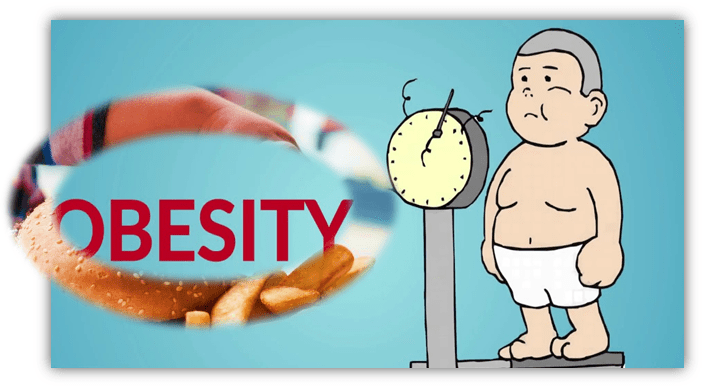
Environmental and genetic factors both play a significant role in promoting obesity (CDC, 2013; Rogers, 2011). It has been observed that both studies found that physical lifestyle and high-calorie food consumption have increased in modern societies (CDC, 2013; Rogers, 2011). Moreover, Rogers (2011) claims that current for marketing influences consumer choices through marketing and pricing strategies (Rogers, 2011). Furthermore, according to a study cited in Rogers (2011) found that healthier foods cost more than unhealthy foods (Drewnowski and Darman, 2005, cited in Rogers, 2011). Also, Rogers (2011) indicates that studies of nutrition have been increased in this modern age. According to CDC (2013), it has been highlighted that genetic changes happens slowly over time. In addition, Rogers (2011) and CDC (2013) concur that some genes which are predispose to weight gain within the same environment suggest genetic influence. However, studies suggested this predisposition may decrease with age (Rogers, 2011). Additionally, CDC (2013) pointed out that in the past, thrifty genes multiplied in the past when food was scarce. These genes are now challenged in modern society and food availability. Therefore, both texts assume that both factors have influenced the current obesity epidemic, and both play the significant roles in promoting obesity (CDC, 2013; Rogers, 2011).
Written by Fari & Lim
Discover more from Research Initiatives
Subscribe to get the latest posts sent to your email.
